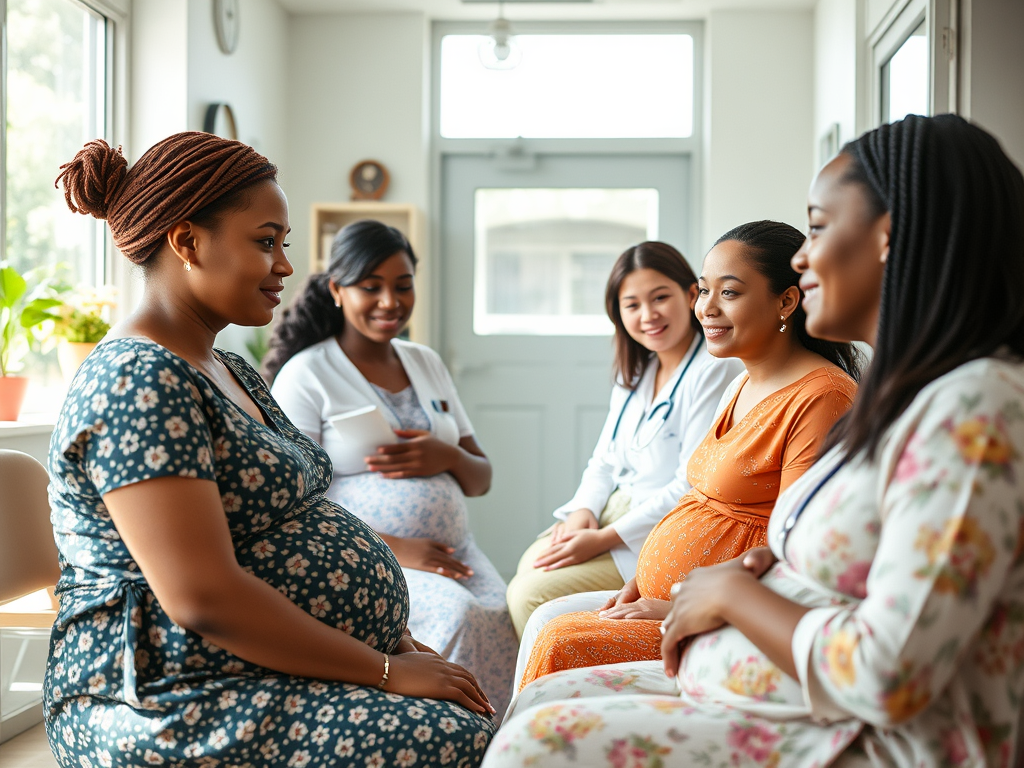
Washington, D.C. — May 15, 2025
In a sweeping effort to address the country’s growing maternal health crisis, the U.S. Department of Health and Human Services announced today the revival of maternity assistance centers—publicly supported clinics that were once central to maternal and infant care in the early 20th century.
These new centers, inspired by the historical “maternity and infancy hygiene” programs of the 1910s and 1920s, will provide prenatal care, childbirth education, postnatal support, and community-based services in both urban and rural areas. The initiative comes amid sobering statistics: the U.S. continues to have one of the highest maternal mortality rates among high-income countries, particularly affecting Black, Indigenous, and rural mothers.
“Too many women in America are falling through the cracks during pregnancy and postpartum. This is not just a health issue—it’s a moral issue,” said HHS Secretary Dr. Michelle Simmons at a press conference this morning. “Reviving maternity assistance centers is about restoring dignity, safety, and care to mothers and babies across the nation.”
A Model Rooted in History
The original maternity centers—first established under the Sheppard-Towner Act of 1921—provided free or low-cost maternal health services in thousands of communities, dramatically improving outcomes at a time when childbirth was a leading cause of death for women. These centers were shuttered following political resistance and budget cuts during the Great Depression and New Deal.
Now, more than a century later, policymakers are drawing lessons from the past.
The new federal program, called the National Maternal Support Network, will fund more than 400 centers across all 50 states, with priority given to underserved and high-risk areas. Services will include access to midwives, doulas, mental health professionals, breastfeeding support, nutrition counseling, and safe housing referrals for at-risk mothers.
Addressing Racial and Economic Disparities
The centers are designed to close longstanding gaps in maternal care—particularly those linked to race, income, and geography. A 2024 CDC report revealed that Black women are three times more likely to die from pregnancy-related causes than white women, often due to preventable complications and lack of adequate follow-up care.
“The disparity is heartbreaking and unacceptable,” said Dr. Amina Grant, an obstetrician and advisor on the initiative. “These centers won’t just provide medical care—they will restore trust in the system. They will be places where women feel seen, heard, and supported.”
Community-Based and Culturally Competent
Each center will be staffed by locally trained professionals, many from the communities they serve, and will offer services in multiple languages. Officials emphasized that the centers will take a holistic approach to care, partnering with local hospitals, schools, and faith organizations.
“This is not just about birth. It’s about building healthy families and strong communities,” said Karen Montoya, a midwife who helped pilot a similar community program in New Mexico. “We’re returning to a model that understands mothers are not just patients—they’re people with stories, struggles, and strengths.”
Funding and Outlook
The initiative will be funded through a combination of federal grants, Medicaid expansion incentives, and partnerships with nonprofit organizations. Congress allocated $2.6 billion over five years in the 2025 Maternal Health Equity Act to support the rollout.
Early pilot programs in Illinois, Georgia, and Oregon have already shown promise, with participating centers reporting increased prenatal visits, lower rates of cesarean deliveries, and improved maternal mental health scores.
A Turning Point
As the nation faces a reckoning over its maternal care system, the return of maternity assistance centers may signal a profound shift—not just in policy, but in values.
“This isn’t just a revival of a program,” said Secretary Simmons. “It’s a recommitment to life, to equity, and to the future of every child born in this country.”




 A More Empathetic World