Washington, D.C. – May 18, 2025
— As the nation continues to grapple with the economic and emotional toll of the avian influenza epidemic, the U.S. government is seizing the moment to usher in a sweeping transformation of the meat industry—one focused not only on public health and food security, but on animal welfare as a moral imperative.
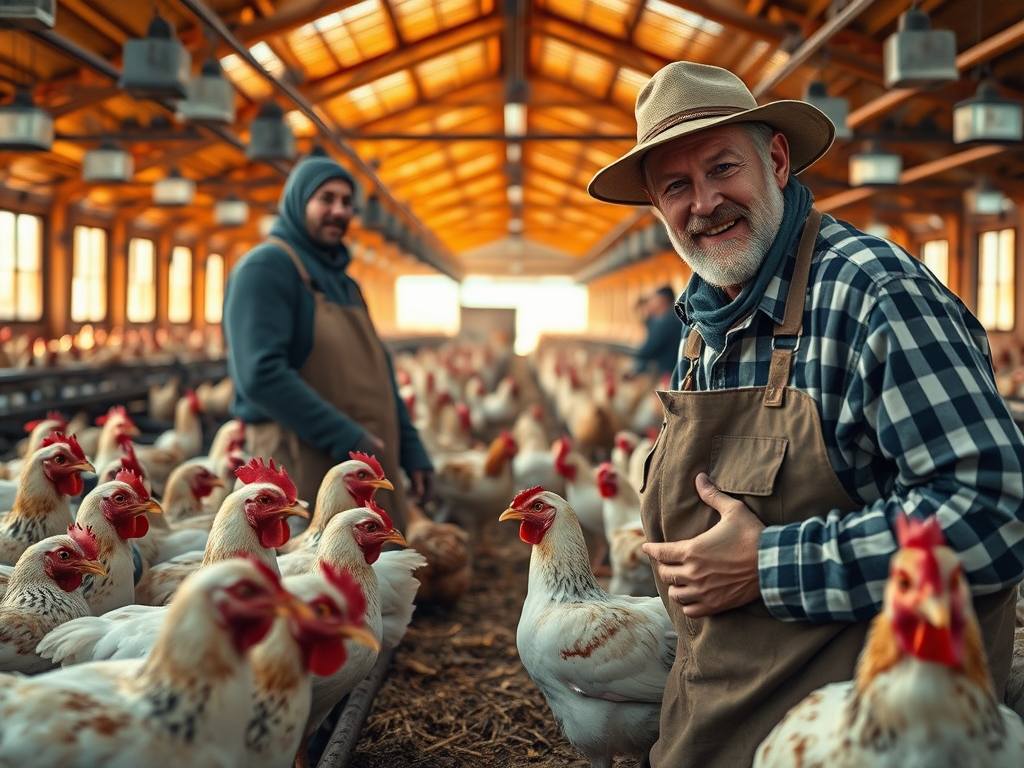
The current bird flu outbreak, which has led to the culling of more than 90 million poultry birds since early 2024, has exposed deep vulnerabilities in the industrial meat production system. Cramped conditions, genetic homogeneity, and rapid turnover in factory farms have created ideal environments for viral mutations and cross-species transmission.
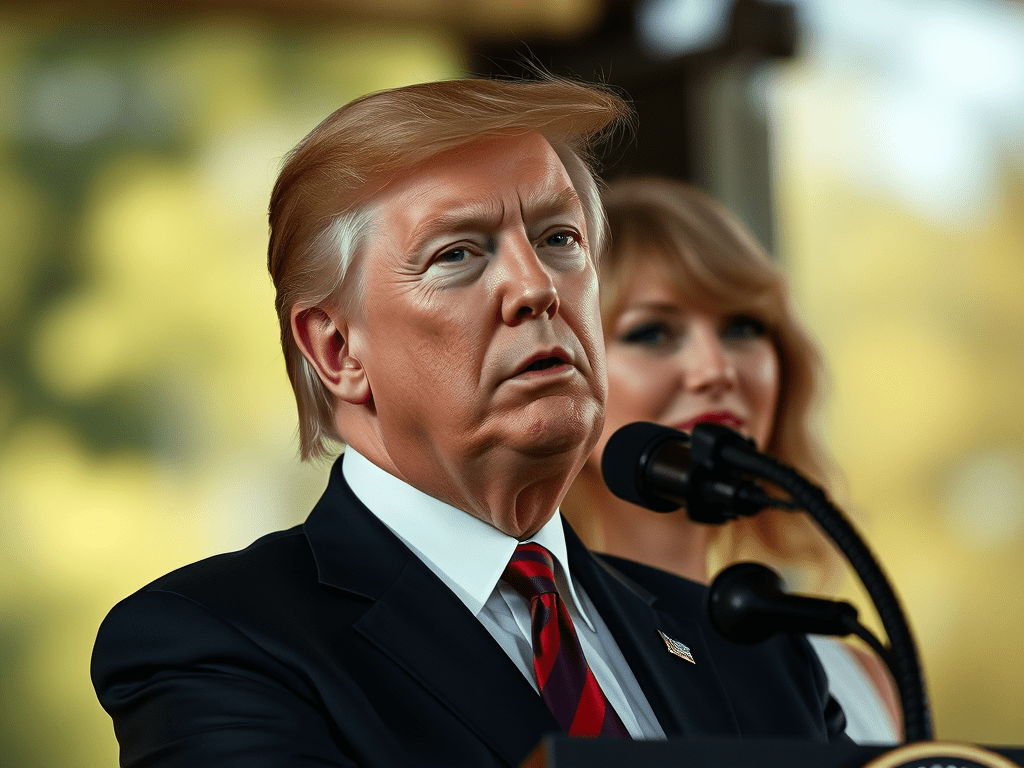
“This crisis has been devastating for farmers, for families, and for the animals themselves,” said Secretary of Agriculture Brooke Rollins during a press conference on Tuesday. “But in every crisis lies an opportunity—to rethink, to rebuild, and to do better. This is our chance to create a meat industry that is safer, more sustainable, and more humane.”
A Turning Point
The Department of Agriculture, in coordination with the Centers for Disease Control and Prevention (CDC) and several academic institutions, has announced a multi-phase strategy to phase out intensive confinement systems for poultry and livestock over the next decade. The plan includes new incentives for producers to adopt higher-welfare practices such as enriched environments, reduced stocking densities, and slower-growing animal breeds less prone to disease.
Early-stage funding will also support regional slaughterhouse cooperatives, allowing small and mid-sized farms to process meat closer to home, minimizing transport stress on animals and revitalizing rural economies.
“This isn’t about ending meat production,” said Dr. Amina Shah, a veterinary epidemiologist advising the USDA. “It’s about ending a system that prioritizes speed and volume at the expense of resilience, ethics, and safety.”
Farmer Support and Skepticism
Some farmers have welcomed the changes, especially those who have long advocated for humane husbandry but struggled to compete in a market dominated by corporate giants.
“I’ve always raised my birds outdoors with room to roam,” said James Kellerman, a third-generation poultry farmer in Iowa. “For years, we were told that wasn’t scalable. Now the government is saying not only is it scalable, it’s the future. That’s a relief, and honestly, a validation.”
Still, others remain wary. Large-scale producers worry about the economic impact of transitioning to more humane models, especially amid rising feed costs and market uncertainty.
“I get the sentiment,” said a spokesperson for one of the nation’s top poultry processors, who requested anonymity. “But change like this requires time, infrastructure, and serious investment. It can’t happen overnight.”
Broader Implications
Animal welfare advocates have cautiously praised the move, noting that while the motivations are grounded in public health, the implications for millions of farm animals are profound.
“We’re finally seeing acknowledgment from the highest levels of government that animal suffering is a systemic issue—not an unfortunate side effect,” said Karen Liu, executive director of Compassionate Harvest, a nonprofit focused on ethical food systems. “It shouldn’t take a pandemic to prompt reform, but if that’s what it takes, we welcome it.”
The Trump administration has also pledged to invest $2 billion over five years into research and development of plant-based and cultivated meat alternatives, viewing diversification as key to long-term resilience.
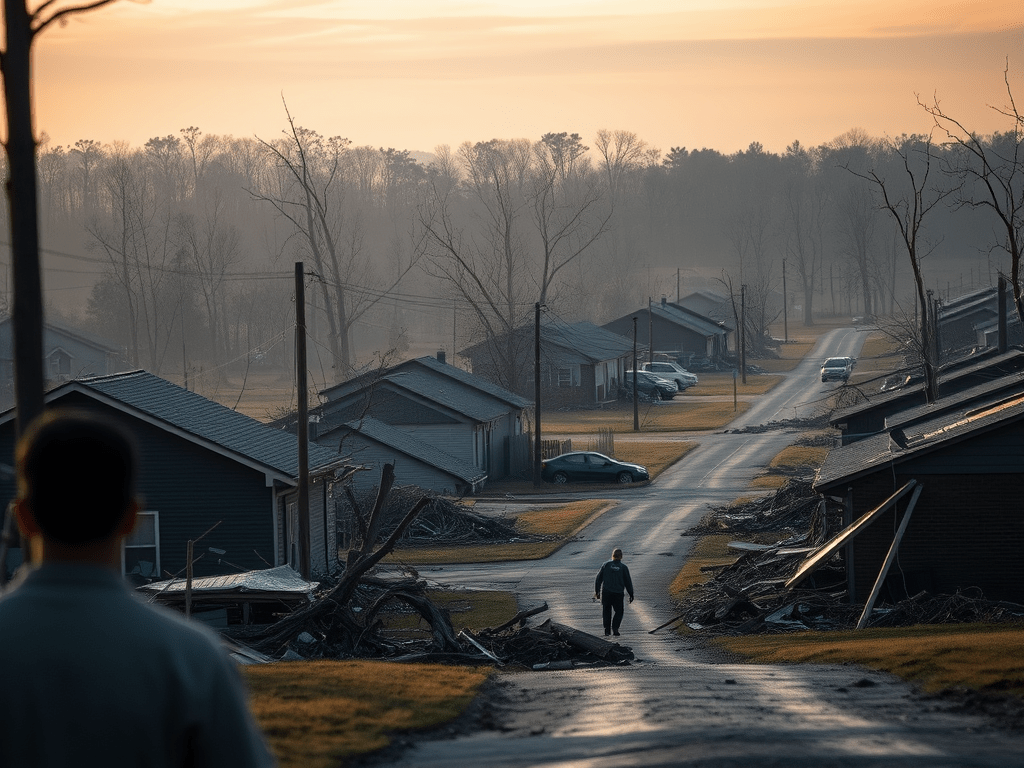
As the nation recovers from the trauma of the bird flu epidemic, a new vision is taking shape—one that reimagines meat not just as a commodity, but as a responsibility.
“In a society as advanced as ours,” Secretary Rollins said, “we can—and must—feed ourselves without cruelty, without collapse, and without compromising our values.”

 A More Empathetic World